Eating well is not automatically expensive. It is unevenly priced — and the unevenness is where all the money is. Two dinners can hit the same calorie and protein numbers and differ by four times in cost, which means the useful question is never "is healthy food expensive" but "which healthy food is expensive, and compared to what."
This is the hub for everything we write about food cost. It covers the three measures worth knowing, why the price on the shelf misleads you, and where the real leaks are.
The problem with how we usually talk about this
Most advice picks a side. Nutrition writing optimises for grams and ignores the receipt — which is how you end up with a plan that recommends salmon five nights a week. Personal finance writing optimises for the receipt and ignores what the food does — which is how you end up with a cheap week that leaves you hungry by 4pm.
Neither is wrong. They are just each solving half a problem, and the half they drop is the one that makes you quit.
Three measures worth knowing
Shelf price tells you almost nothing on its own. These three tell you a lot.
Cost per serving
Not cost per package. A 2.5 lb pack of chicken thighs and a 1 lb pack are not comparable until you divide by how many meals each one actually produces in your house.
This is also where "buy in bulk" advice quietly fails. Bulk is cheaper per serving only if you eat all of it. A large bag of spinach at a lower unit price is more expensive than a small one if half of it liquefies in the drawer.
Cost per gram of protein
Protein is usually the most expensive macro in a meal and the one people most often fall short on, which makes it the highest-leverage thing to measure. Divide the price of the package by the total grams of protein it contains.
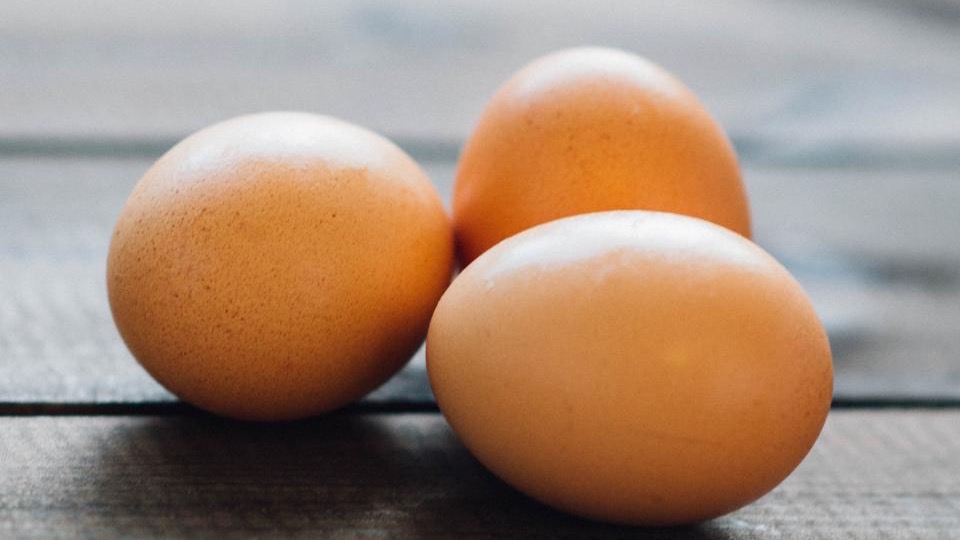
The ranking this produces is stable and surprises people. Eggs, dried lentils, canned tuna, chicken thighs, and cottage cheese sit near the cheap end almost everywhere. Steak, deli meat, most fish, and nearly all protein bars and shakes sit at the expensive end. We work through the arithmetic in the cheapest sources of protein per gram.
Cost per 100 calories
Useful as a sanity check rather than a goal. Cooking oil and rice are extraordinarily cheap per calorie; lettuce is extraordinarily expensive. That does not make oil better than lettuce — it tells you which items are doing the caloric work in your basket and which are doing a different job. Optimising this number alone gets you a diet of rice and oil.
Where the money actually leaks
In our experience building MealMaxx, spending rarely fails at the point people expect. It fails in four places:
- Food you bought and did not eat. This is the biggest one and the least visible, because it never appears as a line on a receipt. It appears as a bin.
- Food you already owned and bought again. The second jar of cumin. The rice behind the rice.
- The meal you did not plan. An unplanned dinner is usually the most expensive one of the week, whether it is takeaway or a panicked shop.
- Package-size mismatch. A recipe wants 1.5 lb of something the store sells in 2.5 lb packs. The extra pound is only savings if it has a job.
None of these are willpower problems. They are bookkeeping problems, which is a much better thing for them to be, because bookkeeping can be automated.
What to do about it
You do not need a spreadsheet, but you do need the numbers to exist somewhere.
- Work out cost per gram of protein for the six or seven proteins you actually buy. Do it once. The ranking rarely changes month to month.
- Before you shop, look in the cupboard. Most people's lists contain two or three things they already own.
- Give leftovers a slot in the plan rather than hoping. A portion you cooked and did not eat is food you have already paid for, and it costs nothing to eat it on Thursday.
- Compare the whole basket across stores, not individual items. The cheapest store for milk is often not the cheapest store for the week.
A note on the prices you will see here
Every figure in these posts is an estimate, dated, and specific to a general US context. Grocery prices vary by region, by store, and by week — a number that is right in one ZIP code can be off by a third in another. Treat what you read as a method and a rough ranking, not as a quote.
That is also how MealMaxx handles it: estimates start from a general catalog and get more accurate for you as you scan receipts from the stores you actually shop at.
MealMaxx is a planning tool, not medical or nutritional advice — talk to a qualified professional before making significant changes to your diet.