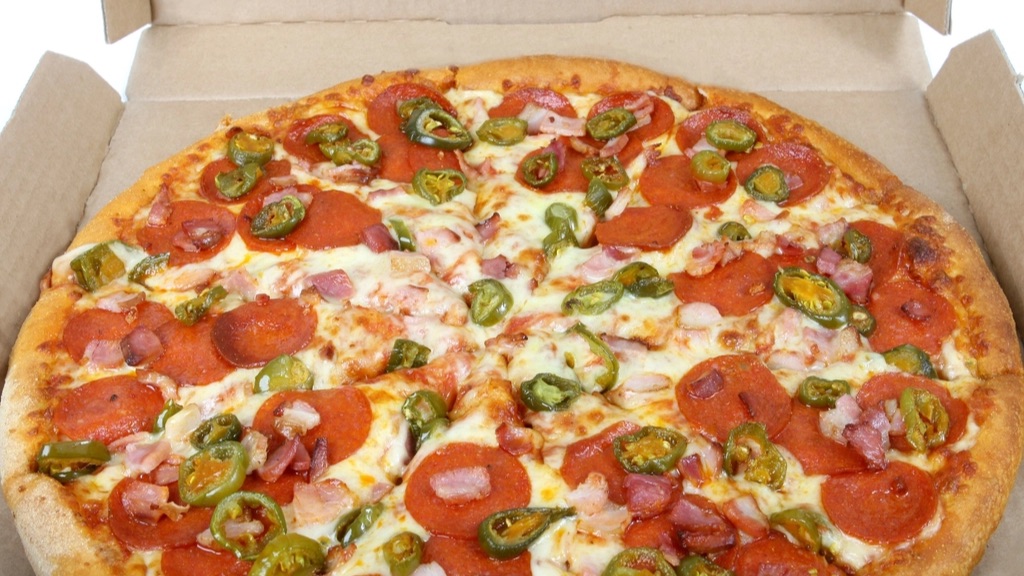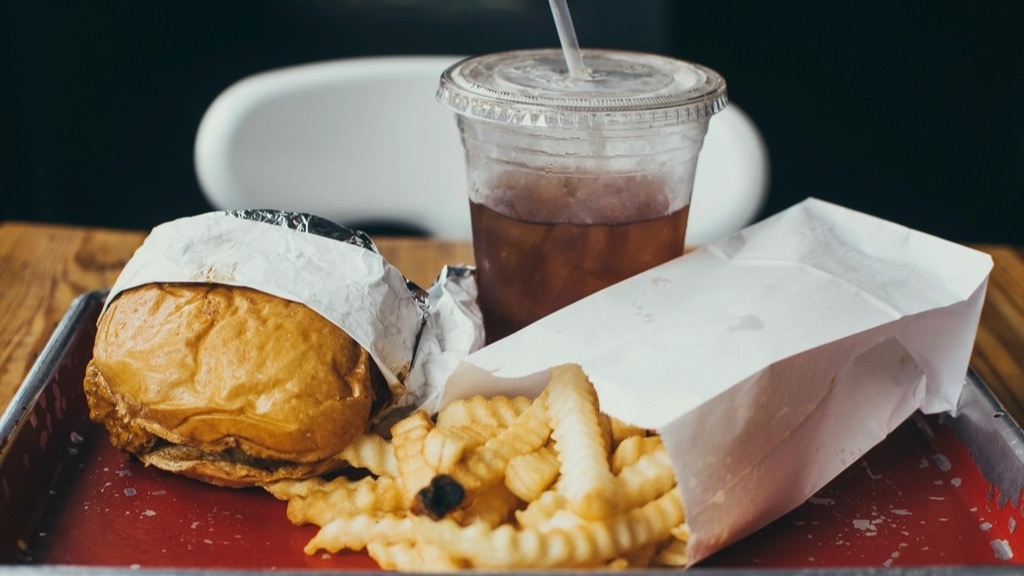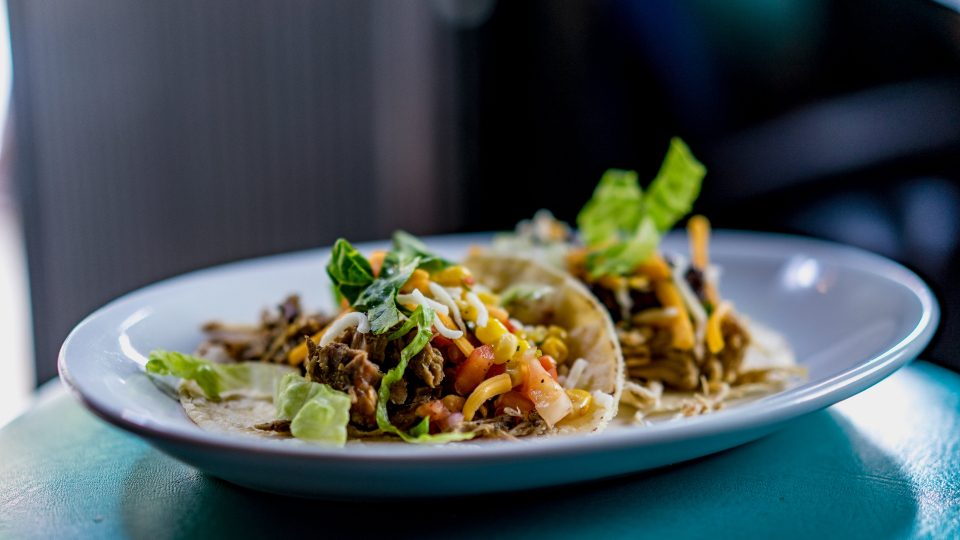
You save the difference between what an order costs and what the same meal costs to cook, not the whole bill. At example menu prices and fees, and U.S. average grocery prices for August 2026, swapping one delivered taco dinner for two each week comes to a difference of about $27 a week, or about $1,394 over a year. Your own number depends on what you order, how many people it feeds and whether it's delivered.
What counts as savings when you skip a meal out?
When you cook instead of ordering, you still buy groceries. So what you keep from each swap is:
Savings per swap = what you paid to order in, all-in, minus what the replacement meal costs in groceries
"All-in" means the menu price plus every fee, the tip and tax. "What the replacement costs" means only the amount of each ingredient the meal uses, not the whole package. Multiply the result by your swaps per week, then by 52, for a yearly figure.
Many estimates skip the grocery side and count the whole restaurant bill as money saved. That overstates the result, sometimes by a lot.
How much does one swap save?
The table prices three example meals. Home costs use BLS U.S. city average prices for August 2026. Ordered-in costs are example prices, not any restaurant's menu, with an example $3.99 delivery fee, an example 15% service fee and an example tip. Sales tax is left out of both sides.
| Meal | Cooked at home | Ordered in (example) | Difference per meal |
|---|---|---|---|
| Chicken legs and potatoes for 2, picked up | $5.80 | $24.00 | $18.20 |
| Beef tacos for 2, delivered | $14.39 | $41.19 | $26.80 |
| Bean and rice bowls for 4, delivered | $9.21 | $66.19 | $56.98 |
Here's how each number was built:
- Chicken at home: 2 lb bone-in chicken legs ($3.34), 1.5 lb white potatoes ($1.46) and an example $1.00 for oil and seasoning.
- Chicken picked up: two plates at an example $12 each, with no fees or tip.
- Tacos at home: 1 lb ground beef ($7.16), an example $3.00 pack of tortillas, 4 oz cheddar ($1.50), half a pound each of iceberg lettuce ($0.74) and tomatoes ($0.99), and an example $1.00 for seasoning and salsa.
- Tacos delivered: two taco plates at an example $14 each, the $3.99 delivery fee, a 15% service fee ($4.20) and a $5 tip.
- Bowls at home: 1 lb dried beans ($1.63), 1 lb long-grain white rice ($1.11), 8 oz cheddar ($2.99), 1 lb tomatoes ($1.98) and an example $1.50 for seasoning and salsa.
- Bowls delivered: four bowls at an example $12 each, the $3.99 delivery fee, a 15% service fee ($7.20) and a $7 tip.
Two patterns show up. The difference grows with the number of people fed, because each extra plate ordered costs far more than an extra serving cooked. And delivery adds a layer that pickup doesn't: in the taco example, fees and tip come to $13.19 of the $41.19 total, about a third. For why those charges stack up, see why food delivery is so expensive.
What does that add up to over a year?
Multiply the difference by your swaps per week, then by 52. These are example figures, not a promise. Your prices and habits set the real result.
| Swap | Once a week, per year | Twice a week, per year |
|---|---|---|
| Chicken for 2, picked up | $946 | $1,893 |
| Tacos for 2, delivered | $1,394 | $2,787 |
| Bowls for 4, delivered | $2,963 | $5,926 |
For scale, the average U.S. household spent $3,945 on food away from home in 2024, about $76 a week, according to the Bureau of Labor Statistics Consumer Expenditure Survey. The gap between ordering and cooking has also been widening. Over the 12 months ending September 2026, the Consumer Price Index for food away from home rose 3.5%, against 1.8% for food at home.
Why can't you keep your whole eating-out budget?
Even if you cooked every meal, that $3,945 wouldn't all come back to you. Three things take a share of it:
- Groceries replace the meals. That's the formula above: every swap still costs something.
- Not all of it can be swapped. BLS counts as food away from home more than restaurant dinners and takeout. School lunches, meals on trips and catered events such as weddings are in there too.
- Groceries that go unused. Ingredients bought for a meal you never cook raise the real cost of the meals you do make. Planning the week before you shop helps; see how to meal plan for a week.
Your time is a cost too. Cooking takes it and delivery doesn't, and only you can put a price on that. Meals you already know how to make keep it small.
How do you work out your own number?
- Pull last month's takeout and delivery orders from your card statement or order history. Use the amount you were charged, which already includes fees, tip and tax.
- Note what each order was and how many people it fed.
- Mark the orders you'd realistically have cooked instead. Leave out the ones you wouldn't swap, such as a birthday dinner.
- For each marked order, price a home version from your last grocery receipt, counting only the amount of each ingredient used.
- Subtract, add up the differences for the month, and multiply by 12 for a yearly figure.
- After a month of cooking more, check your next statement and grocery receipts to see what actually changed.
Starting from your statement rather than menus matters, because the charge there already includes the fees and tip that menu prices leave out. For a broader look at food costs, see the real cost of eating well.
Can an app keep the tally for you?
MealMaxx shows what cooking saved you compared with ordering in, and when you scan a receipt, it replaces its estimates with the prices you actually paid. It's on iPhone in the US.